
Minimalism and Saving Lifestyle in 2025

Minimalism and Saving
Minimalism has been a widely discussed topic for years, and its popularity has only grown as our lives become increasingly fast-paced and cluttered—both physically and mentally—thanks to the constant buzz of smartphones and other modern distractions. Adopting a minimalist lifestyle and exploring smart saving tips resonate with many who seek to simplify their lives, reduce stress, and achieve financial peace of mind.
If you’ve ever felt overwhelmed by the chaos of daily life, minimalism could offer a path toward greater clarity and balance. Let’s explore some practical ideas to help you embrace simplicity and take steps toward a more intentional, money-saving lifestyle:
Beginner’s Guide to Minimalism:
- Start by picking a single room to declutter (e.g., your closet or kitchen).
- Use methods like the ‘KonMari’ technique, which involves keeping only items that spark joy, or the ‘Four-Box Rule’ (keep, donate, recycle, trash) to help with clearing out items you don’t need.
- Prioritize essentials by asking: *Does this item add value to my life?*
- Set a 30-day rule for purchases—if you want something, wait 30 days before buying it.
Benefits of Minimalism:
- Mental: Simplified spaces reduce stress and mental clutter.
- Emotional: Feeling lighter and more in control when surrounded by fewer possessions.
- Financial: Spending less means saving more for experiences or investments.
Minimalist Home Decor:
- Emphasize neutral color palettes (white, beige, or gray tones).
- Invest in multifunctional furniture like sofa beds or nesting tables.
- Incorporate natural textures like wood, wool, or linen to maintain warmth.
- Keep surfaces clear—decorate with a single centerpiece or statement piece.
Minimalist Wardrobe:
- Create a capsule wardrobe: 20-30 versatile items (neutral tops, mix-and-match bottoms).
- Declutter clothes using the “one-year rule”—donate anything unworn in the past year.
- Prioritize timeless, high-quality pieces over trendy, fast-fashion items.
Saving Money with Minimalism:
- Cut subscriptions you rarely use (e.g., streaming services, gym memberships).
- Buy second-hand or borrow items rather than purchasing new.
- Meal prep instead of eating out—it’s cheaper and aligns with minimalist meal planning.
- Focus on “experience” gifts (e.g., a dinner with friends) instead of material goods.
Minimalist Travel:
- Pack light with a carry-on bag and choose versatile clothing.
- Use packing cubes to stay organized and maximize space.
- Skip bulky toiletries—buy travel-sized items or use multi-purpose products.
- Create a minimalist itinerary—focus on fewer destinations, more quality experiences.
- Maybe do some remote work abroad at co-working spaces. Read more here.
Digital Minimalism:
- Organize your email inbox with filters or declare “inbox zero” (fixed method for managing emails designed to maintain an empty inbox) once a week.
- Delete unused apps and disable non-essential notifications.
- Set screen time limits for social media to improve focus.
- Create digital folders for photos, files, and documents to reduce clutter.
Minimalist Meal Planning:
- Base meals on a few staples (e.g., rice, beans, vegetables) for simplicity and cost savings.
- Plan weekly meals in advance and make a shopping list to avoid unnecessary purchases.
- Cook in bulk and store leftovers to save time and reduce food waste.
Challenges of Minimalism:
- Emotional Attachment: Discuss how to let go of sentimental items gradually.
- Family Dynamics: Offer strategies for getting family members on board with minimalism.
- Sustainability: Balance minimalism with ethical consumption—buying less but better.
Fictive Success Story
Emma, a young professional, felt overwhelmed by the clutter in her apartment and the stress of managing her finances. Inspired by a blog post about minimalism, she decided to declutter her wardrobe and donate clothes she hadn’t worn in years. This small victory encouraged her to simplify other areas of her home, selling unused electronics and clearing out kitchen cabinets.
As Emma embraced minimalism, her apartment became easier to maintain, and she felt more relaxed. Financially, she saved money by avoiding unnecessary purchases and focusing on quality over quantity. The biggest transformation, however, was in Emma’s mindset. She learned to value experiences over possessions and found joy in the simple things. She spent more time with friends and family, pursued hobbies she loved, and felt a deeper sense of contentment and happiness.
Emma’s journey to minimalism led to a more balanced and fulfilling life, proving that living with less can bring greater contentment and joy. She discovered that minimalism not only improved her physical space but also enriched her emotional well-being and overall outlook on life.
Short summary
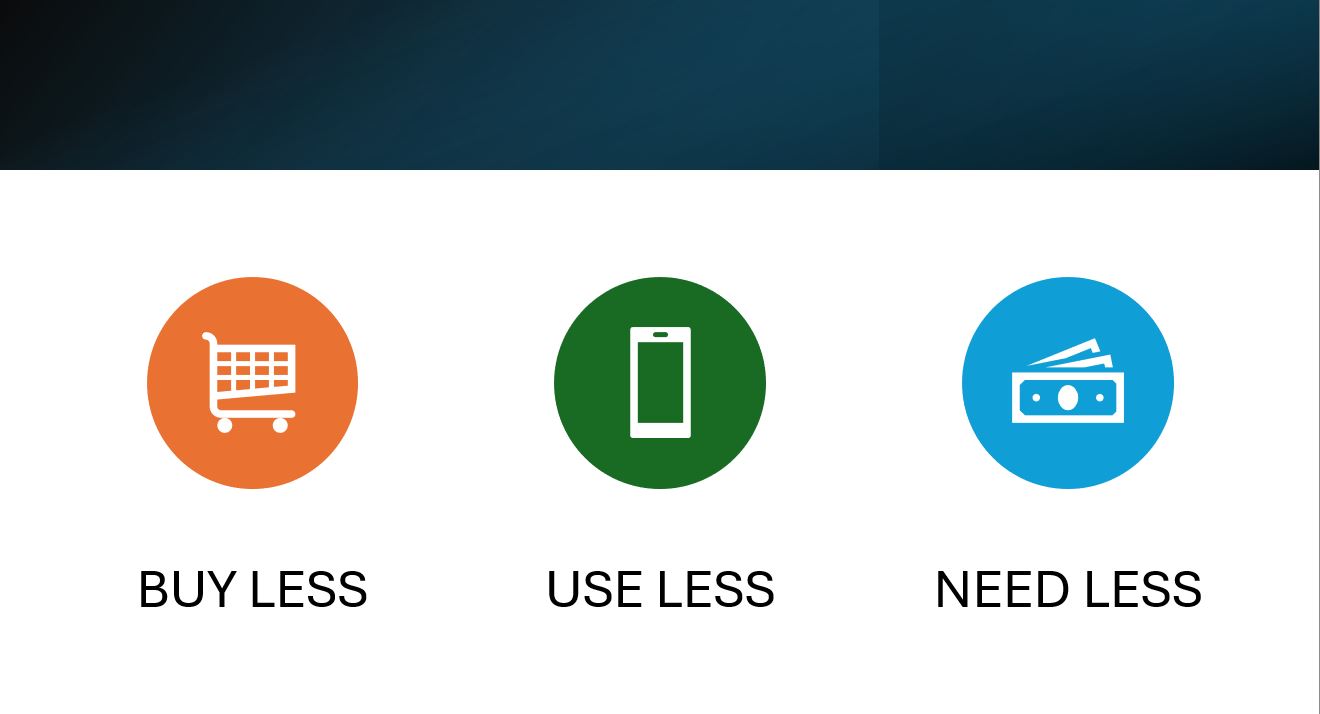
I hope you found this post inspiring and filled with practical advice to simplify life and save money. Minimalism and saving truly go hand in hand, but adopting this lifestyle starts with cultivating the right mindset—one that values intentionality and contentment over excess. “Buy less, use less, need less” is a powerful motto for embracing minimalism, leading not only to financial savings but also to a more balanced, fulfilling way of life.
For instance, I used to buy new gadgets frequently, but now I focus on using what I have and only upgrading when absolutely necessary. This shift has not only saved me money but also reduced clutter and stress.
Try decluttering one area of your home this weekend or make a conscious decision to skip unnecessary purchases for a month. You’ll be surprised at how liberating it feels!
Minimalism can lead to a more balanced life, with less stress and more time for the things that truly matter, like spending time with loved ones or pursuing hobbies.
You can find other minimalists, besides myself, on Reddit.
The Near Future of Life | Travel | Save Blog
Now that Spring is coming and the summer holidays (4 week paid vacation from work, yay!) I will be posting about once or twice a month some new content on my site since I want to be able to enjoy life to the fullest during the short months of Summer. In Finland they usually last for a couple of months. But have no fear I will be back with new blog posts shortly, since me and my better half have already planned our next trip in April. It will most likely be the topic of my upcomming posts, so stay tuned. Until next time take care of yourself!
This post has been enhanced using AI for text improvement.
Recent Posts
- How Much Does a Week in Tokyo Cost in 2027?
- Holyone B Pyhätunturi review 2026
- Autumn travel in Finland vs Japan? Why Autumn Might Be the Best Time to Visit Both in the 21st Century
- Free Travel eSIM for International Travel: Is It Really Worth It in 2026?
- Summer Trip To Pyhä-Luosto National Park: Reindeer, Hiking and the Beauty of Finnish Lapland in the 21st Century