
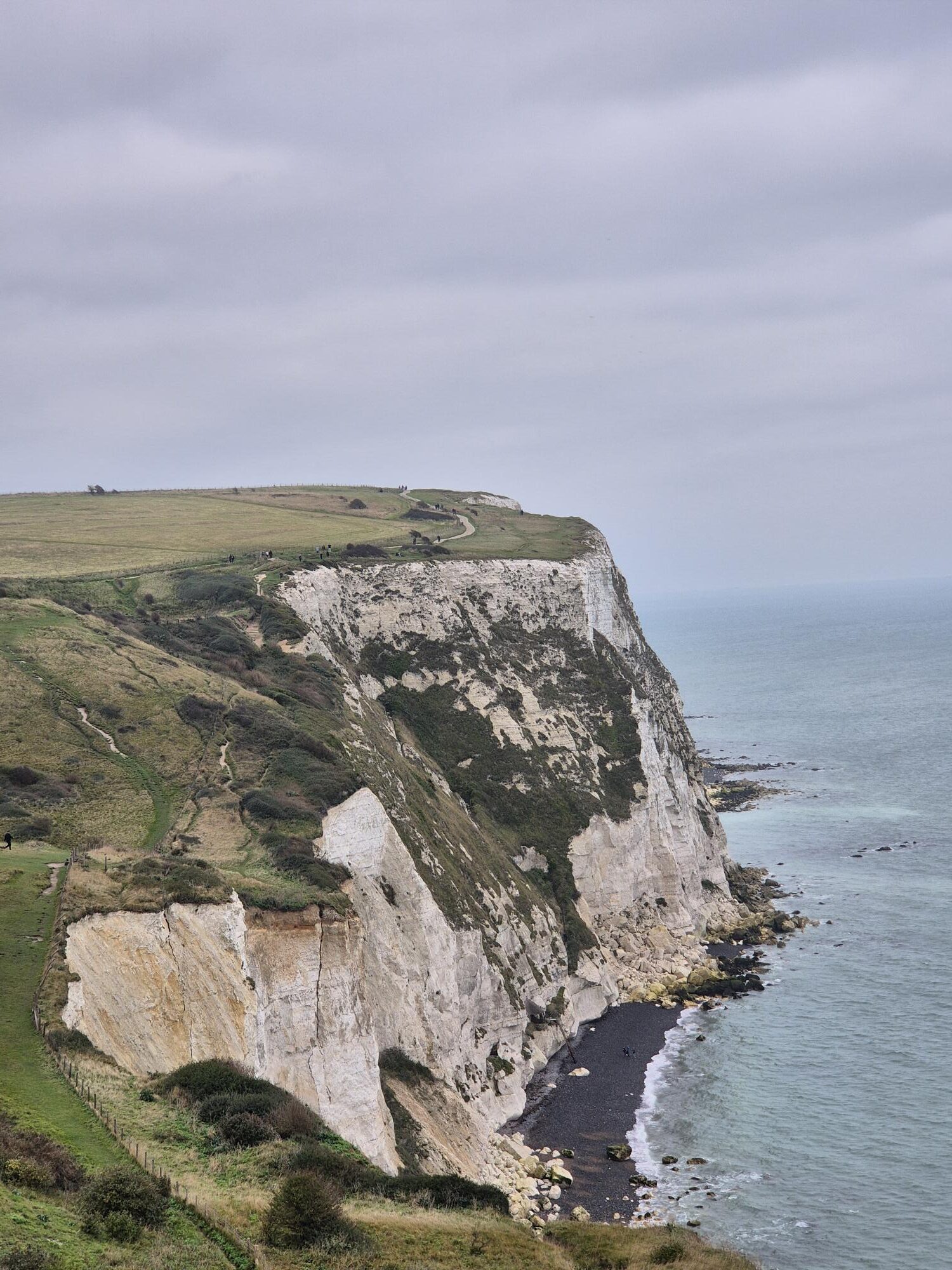
White Cliffs of Dover – A Day Trip from London (2024)
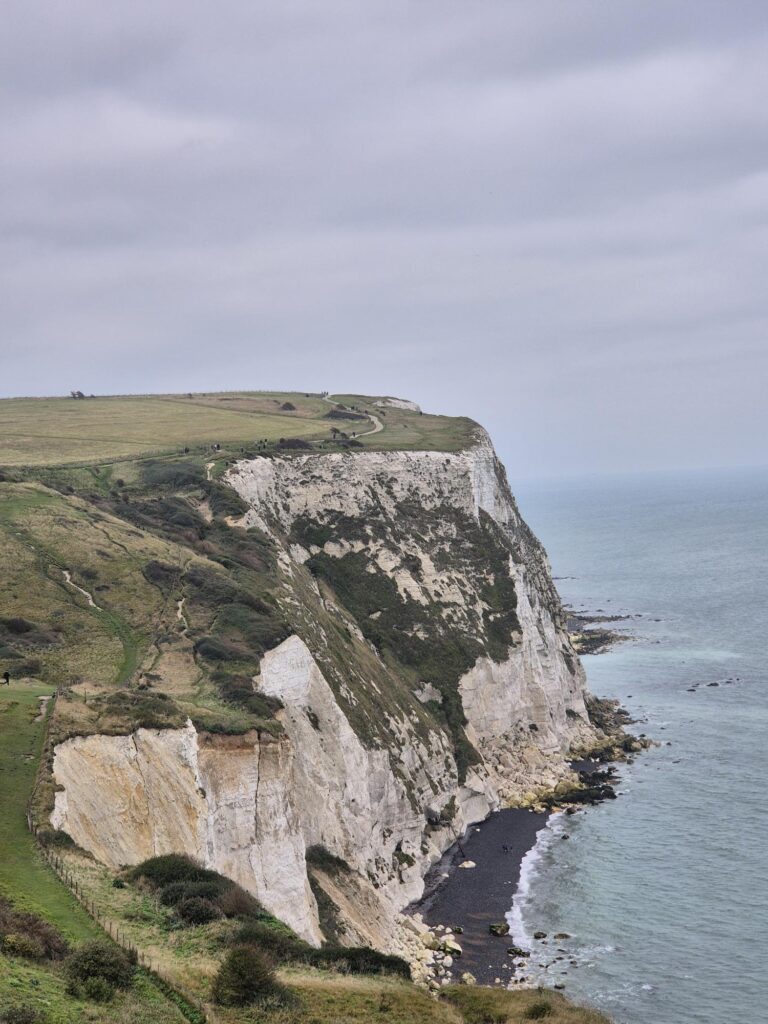
The White Cliffs of Dover are a beloved destination in the UK, perfect for nature enthusiasts and photographers seeking stunning views of these iconic cliffs. During our visit to London, we had the opportunity to explore the White Cliffs of Dover. Here, I’ll share some tips on how to get there from London and provide some verified information about the cliffs.
Approximately 450,000 years ago, a massive flood led to the creation of the Strait of Dover, which today separates the UK from France. This event resulted in the formation of the iconic white cliff faces visible on both sides of the strait. The White Cliffs of Dover are located along the coast of England, adjacent to a bustling harbor. It is estimated that millions of people pass through Dover every year.
Historical Significance
What kind of historical significance could a simple cliff have? Well, there is nothing simple about the White Cliffs of Dover. These cliffs are intricately intertwined with the history of Britain. The earliest recorded description of Dover recounts what Julius Caesar observed in 55 BC when he arrived with two legions of soldiers, seeking a suitable landing spot for the Roman invasion.
Dover Castle, situated at the top of the White Cliffs of Dover, dates back to the 12th century. On the cliffs, you can still find remnants of tunnels built during the Napoleonic Wars. These tunnels were initially constructed to house troops and store ammunition, providing a concealed and secure base.
During World War II, the tunnels were expanded and played a significant role in Britain’s military efforts. These tunnels housed command centers, including the notable Operation Dynamo, which managed the evacuation of Allied troops from Dunkirk in 1940. The cliff fortifications were equipped with heavy artillery and radar systems, crucial for detecting and defending against enemy aircraft.
Natural Beauty
The White Cliffs of Dover are a symbol of the UK and a breathtaking sight for travelers. On a clear day, you might even catch a glimpse of the French coast from the cliffs. Although it was cloudy during our visit, and we couldn’t see France, I still adored the views! To capture the best pictures, you’ll need to walk along the trail for a while, but it’s a great way to get some exercise. The wind can be strong in certain spots and calmer in others.
Around seventy million years ago, this region of Britain was submerged under a shallow sea. The sea floor was covered in white mud, formed from the remains of coccoliths—tiny algae skeletons floating in the sea’s surface waters. Over time, this mud transformed into chalk. It’s believed that chalk accumulated very slowly, about half a millimeter per year, equivalent to roughly 180 coccoliths stacked on each other. Despite this slow rate, up to 500 meters of chalk accumulated in some areas. Coccoliths are microscopic, needing a powerful microscope to be seen, but you can find larger fossils like sponges, shells, ammonites, and sea urchins if you look closely.
Since that era, tectonic movements have lifted the chalk from the sea. The beautiful chalk downlands we see today were largely shaped during the last Ice Age. In the latter part of the Ice Age, the English Channel formed, transforming Britain into an island.
Travel Guide to the White Cliffs of Dover
The White Cliffs of Dover are located in the town of Dover with a population of 36 000. In my opinion it is easy to get to Dover from London. You can reach it by car or train, followed by a 30-45 minute walk. We opted for the train to avoid the risk of driving on the wrong side of the road. Honestly, the (Southeastern) train was a super convenient choice for us, with modern and clean carriages.
Our hotel (Hotel Saint) was located in the heart of London. You can read my 100% honest review about the hotel here. We started our journey by taking the Underground from Aldgate station to King’s Cross St. Pancras station. From there, you need to walk to St. Pancras International station to catch the train. Alternatively, you can board the train at Stratford International (next to Westfield Stratford City mall). The train has limited stops before reaching Dover Priory station.
Ensure you check your train details and listen to announcements, as we had to disembark at Ashford International to move to the first 6 coaches. This switch couldn’t be done within the train, so many tourists had to walk several coaches forward at the station. If possible, when traveling from London to Dover, try to sit in the first six coaches to avoid changing at Ashford International.
During our Halloween week visit to Dover, the trains had plenty of empty seats. Since seats aren’t assigned when booking, it’s convenient that the trains are long enough for everyone to find a seat. The journey from London to Dover by train takes about 2 hours, similar to the travel time by car.
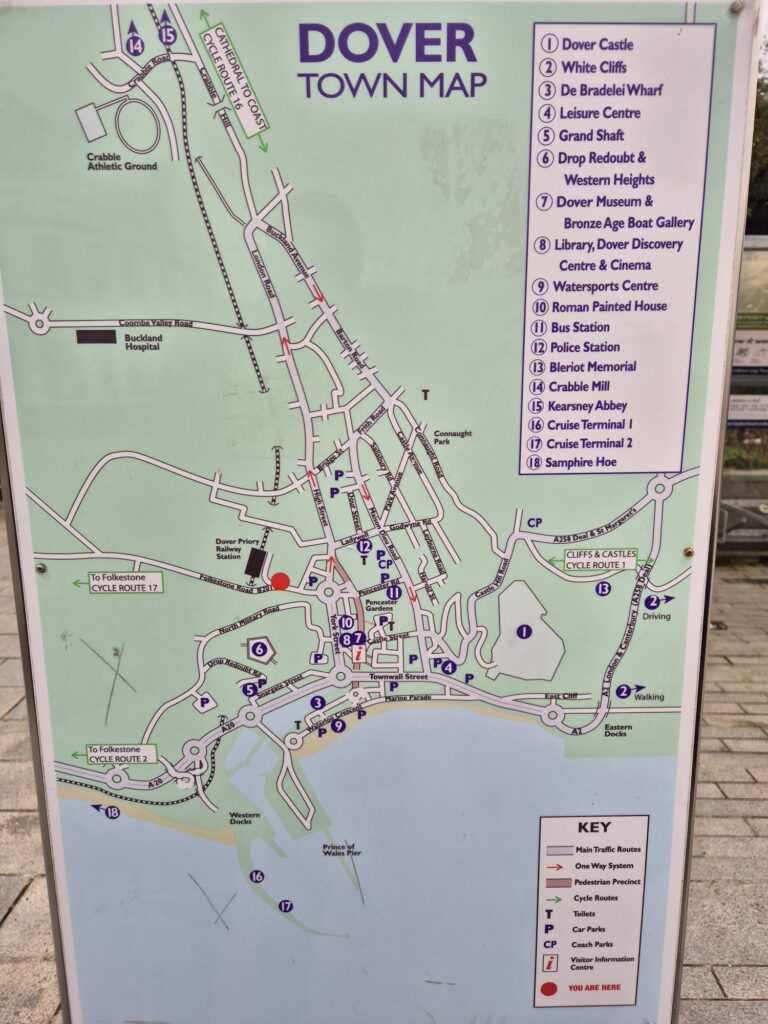
Upon arriving at Dover Priory station, you’ll find it quite small but equipped with facilities like restrooms and helpful staff. As you exit the station (to your right), there’s a Dover town map, which I’ve posted here for you. The red dot marks your location next to Dover Priory station. Use Google Maps to navigate from the station to the White Cliffs or Dover Castle.
If you go by car you might have to pay a parking fee. See the latest fees and opening times here. Taxis can also get you from Dover Priory up to the White Cliffs or Dover Castle, if you want to rest your legs.
Personal Experience
Many visitors to the White Cliffs of Dover enjoy the scenic 45-minute walk to the South Foreland Lighthouse from the start of the cliffs. We spent around 3 hours exploring the cliffs, and our entire trip from London and back took 8 hours. While on the cliffs, we savored the breathtaking views, snacked on treats from Marks & Spencer that we brought along, and relished the fresh outdoor air. I can only imagine the throngs of tourists and the vibrant sights on a clear summer day, but visiting in early November was also pleasant.
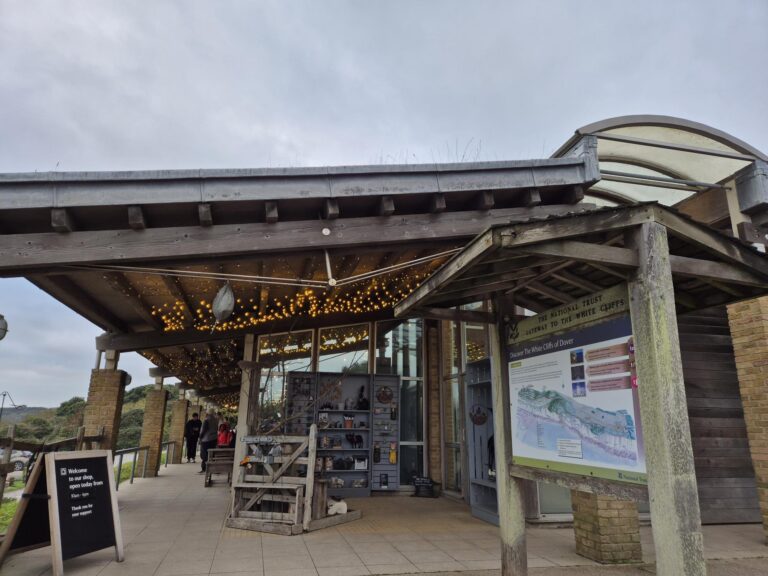
There weren’t many tourists or locals jogging, which was fortunate since we took a more precarious trail near the edge of the cliffs. I’m not fond of getting too close to the edge, so I recommend starting on the main trail to avoid the risk of falling. Don’t worry—you’ll get closer to the edge and capture better photos further along the trail, especially after passing the Visitor Centre.
Keep in mind that during this time of year, it gets darker much earlier. To make the most of your visit, plan to be in Dover early in the morning, ideally by 11 o’clock at the latest, if you want to take your time exploring. On our way back to Dover Priory station, we stopped by the B&M store and picked up some unique chutney spreads and candies that are unavailable in our home country. Otherwise, there wasn’t much else to see in the small town of Dover.
Adventure Activities
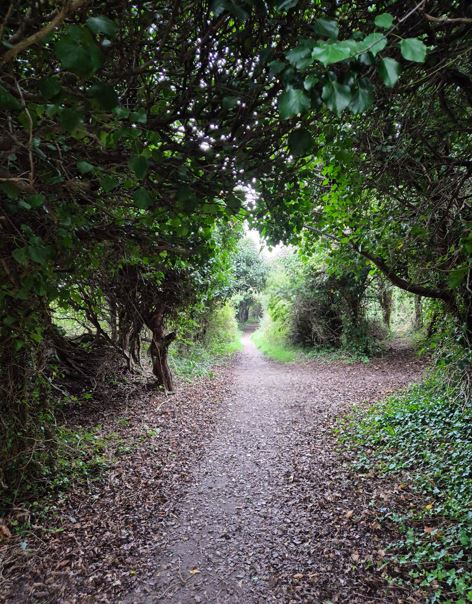
While on the White Cliffs of Dover, I noticed a few locals jogging, taking advantage of the natural terrain’s ups and downs for a good workout. Even just walking the trail provides excellent exercise. There are benches at various spots where you can sit and enjoy any snacks and drinks you’ve brought along. Remember to take your trash with you, as there aren’t any trash cans along the trail.
At one point, I enjoyed watching a bird seemingly suspended in mid-air, making this a great spot for bird watchers. Additionally, it was exciting to observe the ferries coming and going from Dover harbor. If you’re up for it, you can also walk down to the beach from the cliffs. Be prepared for a significant number of steps up and down—it’s quite a workout! You can see the beach in th first picture.
Fan Bay Deep Shelter
Fan Bay Deep Shelter is a reminisence from World War II. It provided shelter from bombings to soldiers on the nearby gun battery. It was built in 100 days. Here is a map you can use to get to the shelter. It takes only 40 minutes to walk to the shelter from the Visitor Centre. It is closed for the season, but will be open again 31 of March 2025.
South Foreland Lighthouse
The South Foreland Lighthouse was built in the 1790s, which makes it over 230 years old. At the lighthouse you can take a guided tour of the lighthouse tower, have a tea at Mrs Knott’s tea room, have a picnic outside or visit the shop. It is closed for the season, but will be fully open again 31 of March 2025.
Your Thoughts on the White Cliffs of Dover
Have you visited the White Cliffs of Dover? Or do you have a favorite viewpoint or trail on the White Cliffs of Dover? Share your experiences and tips in the comments below!
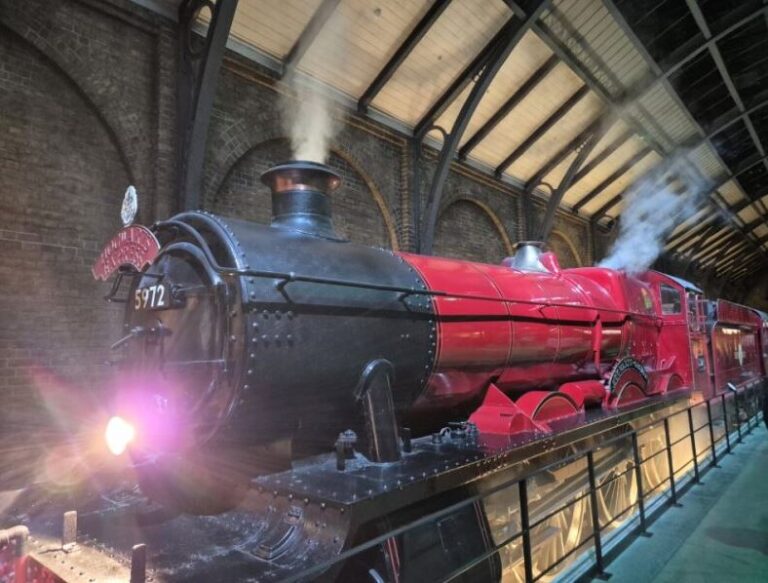
For more day trip ideas from London, check out my post about our visit to Warner Bros. studios of Harry Potter.
This post has been enhanced using AI for text improvement.
Recent Posts
- How Much Does a Week in Tokyo Cost in 2027?
- Holyone B Pyhätunturi review 2026
- Autumn travel in Finland vs Japan? Why Autumn Might Be the Best Time to Visit Both in the 21st Century
- Free Travel eSIM for International Travel: Is It Really Worth It in 2026?
- Summer Trip To Pyhä-Luosto National Park: Reindeer, Hiking and the Beauty of Finnish Lapland in the 21st Century




This piece does more than just convey information; it opens up a space for contemplation and deeper thought.
Thank you for your comment! Anything in particular you loved?