
Fear of Flying (Aviophobia) in 2025: What It Feels Like and How to Cope
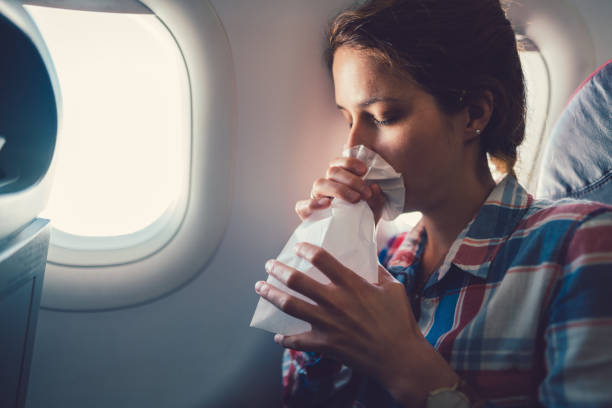
For some, flying is freedom. For others, it’s a full-body panic response at 30,000 feet. If you’ve ever gripped the armrest during takeoff or rehearsed crash scenarios mid-turbulence, you’re not alone. Aviophobia, or fear of flying, affects millions—and it’s more than just nerves. It’s a real, visceral fear that can hijack your mind before you even reach the airport. While you are here, you might want to take a look at my post on sustainable travel or romantic getaways for couples.
I may earn a small commission from affiliate links in this post—thanks for supporting the blog!
✈️ What It Feels Like
Fear of flying isn’t always about the plane crashing. It’s often about losing control, being trapped, or facing the unknown. Symptoms can start days before a flight and include:
- Racing heart or shortness of breath
- Sweaty palms, nausea, or dizziness
- Catastrophic thoughts (“What if the engine fails?”)
- Panic attacks during turbulence or takeoff
- Avoidance of flying altogether—even if it means missing out on life
For some, even booking a flight or seeing a plane overhead can trigger anxiety and a fear of flying. It’s not irrational—it’s your brain trying to protect you, just a little too aggressively.
🧠 Why It Happens
Aviophobia can stem from many sources:
- A past traumatic flight
- Fear of heights, claustrophobia, or motion sickness
- Anxiety disorders or panic attacks
- Learned behavior from a parent or media
- A general fear of not being in control
And let’s be honest—air travel isn’t exactly soothing. Security lines, delays, cramped seats, and unfamiliar noises all add fuel to the fire. I think my spouse got her fear of flying from watching too many episodes of the TV series Air Crash Investigation or in some countries simply known as Mayday.
🛠️ What Doesn’t Help
- “Flying is safer than driving.” (True, but not calming.)
- “Just relax.” (If only it were that easy.)
- “You’ll get used to it.” (Exposure helps, but not without support.)
🌤️ What Actually Helps
1. Education & Reframing
Understanding how planes work, why turbulence is normal, and how rare accidents are can help rewire fear. Apps like SkyGuru or FlightRadar24 offer real-time reassurance.
Some people even vlog about aviation. They discuss different topics like what different sounds are, where they are coming from, common mistakes and assumptions, how airlines take different measures to prevent any disasters from happening, etc. This has been very helpful to my spouse, who has a fear of flying.
2. Let It Go
One of the most powerful things you can do for your peace of mind? Stop feeding the fear. That means skipping the documentaries, news stories, and YouTube rabbit holes about plane crashes or turbulence horror stories. They might feel informative, but they often do more harm than good—rewiring your brain to expect danger where there is none.
3. Exposure Therapy
Gradual exposure—starting with airport visits, then short flights—can desensitize your fear. Some programs even use virtual reality to simulate flying, or maybe try a flight simulator (in Frankfurt). A calm friend or spouse can also help during exposure therapy. Another possibility could be to visit the Boeing factory or a simulated flight experience over Vancouver.
4. Mindfulness & Breathing Techniques
Grounding exercises, deep breathing, and progressive muscle relaxation can calm your nervous system mid-flight. Try to distract your brain with the help of:
- The 4-7-8 breathing method: Inhale for 4 seconds, hold for 7, exhale for 8. This slows your heart rate and signals safety to your body.
- Sensory grounding: Use the 5-4-3-2-1 technique—name 5 things you see, 4 you can touch, 3 you hear, 2 you smell, and 1 you taste. It brings you back to the present.
- Guided meditations or calming playlists: Apps like Calm, Headspace, or Insight Timer offer in-flight meditations designed for anxious travelers.
- Visualization: Picture your destination, a peaceful memory, or even imagine yourself floating on a cloud—anything that shifts your mental state from fear to calm.
- Mantras: Silently repeat phrases like “I am safe,” or “This feeling will pass.” Pair them with your breath to create rhythm and reassurance.
You can also bring a small object—like a smooth stone or essential oil roller—to hold or smell when anxiety spikes. It gives your hands and senses something to focus on besides fear. Maybe try this yoga class in Bangkok.
5. Medication (When Needed)
For some, short-term use of anti-anxiety meds or motion sickness tablets can make flying manageable. Always consult a doctor first.
6. Fear-of-Flying Courses
Airlines like British Airways and Lufthansa offer programs with pilots, therapists, and even “graduation flights” to help you fly with confidence and get rid of your fear of flying.
https://lifetravelsave.com/what-is-life/
💬 My Take
Fear of flying doesn’t make you weak—it makes you human. You’re not broken. You’re just wired for safety in a world that sometimes feels out of control. But with the right tools, support, and a little self-compassion, you can reclaim the sky. Also, it might be best not to watch any videos or movies about accidents involving planes, because it might just wire your brain in hyperdrive next time you need to fly.
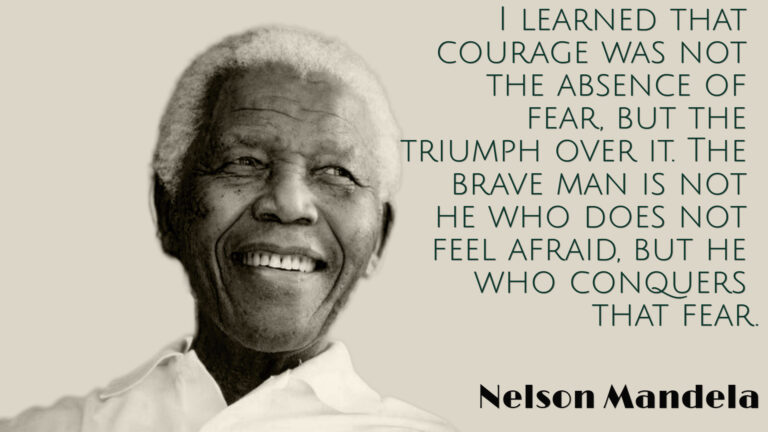
“Courage is not the absence of fear, but the triumph over it.” — Nelson Mandela
Once you have conquered the fear of flying (aviophobia), you can try activities like a scenic flight over Airlie Beach in Australia, a scenic flight over Victoria Falls or a helicopter tour over Las Vegas.
This post has been enhanced using AI for text improvement.
Recent Posts
- How Much Does a Week in Tokyo Cost in 2027?
- Holyone B Pyhätunturi review 2026
- Autumn travel in Finland vs Japan? Why Autumn Might Be the Best Time to Visit Both in the 21st Century
- Free Travel eSIM for International Travel: Is It Really Worth It in 2026?
- Summer Trip To Pyhä-Luosto National Park: Reindeer, Hiking and the Beauty of Finnish Lapland in the 21st Century