



Introduction
More and more travelers are seeking environmentally friendly ways to travel and reduce their carbon footprint. This trend has led to the rise of sustainable travel, which emphasizes responsible travel practices such as using public transportation, supporting local products, and choosing eco-friendly accommodations. Travelers can also engage in eco-tourism, which supports conservation efforts and local communities.
This time, I’m excited to share some tips on sustainable travel. I’ll not only provide practical advice but also briefly highlight a few eco-friendly destinations, discuss the benefits of sustainable travel, and explore future trends. My goal is to embrace an eco-friendly lifestyle without compromising on a fulfilling and enjoyable way of living.
Sustainable travel allows us to reduce our environmental footprint while still experiencing the beauty of our planet. From prioritizing local businesses and eco-certified accommodations to minimizing waste and choosing greener transportation options, the choices we make can have a big impact.
I’ll also showcase some inspiring destinations that prioritize sustainability, where travelers can enjoy breathtaking landscapes while supporting conservation efforts. Plus, I’ll dive into the ways sustainable travel contributes to preserving cultures, supporting local economies, and protecting natural habitats.
And looking ahead, I’ll explore exciting innovations shaping the future of eco-friendly tourism, from advances in renewable energy in transport to destinations embracing circular economies. Together, we can enjoy traveling responsibly while paving the way for a greener tomorrow!

Tips for Sustainable Travel
Traveling sustainably doesn’t mean giving up comfort or convenience—it’s about making choices that reduce our environmental impact while exploring the world. Here are some practical ways to travel responsibly:
- Pack Light: Traveling with fewer items reduces fuel consumption on planes, trains, and automobiles. Plus, it’s easier on you and your back!
- Opt for Reusable Items: Bring a refillable water bottle, reusable utensils, and shopping bags to minimize single-use plastics during your journey.
- Choose Direct Flights: Flying nonstop reduces the number of takeoffs and landings, which consume more fuel compared to continuous cruising.
- Support Local and Eco-Friendly Businesses: Stay at eco-certified accommodations and dine at locally-owned restaurants to help communities thrive and conserve resources.
- Minimize Waste: Be mindful of your trash—recycle, compost, or dispose of waste responsibly when possible.
- Green Transportation: Consider walking, biking, or using public transport instead of renting a car, especially for short distances.
By embracing these tips, you can enjoy traveling while actively contributing to a healthier planet. What sustainable travel habits do you already practice or plan to adopt?
Eco-Friendly Destinations
Exploring the world doesn’t have to come at the expense of the planet. Some destinations are leading the way in sustainability, offering travelers the chance to experience eco-conscious living while enjoying unforgettable adventures.
Cities with Sustainable Transport: Visit cities like Copenhagen, Denmark, or Helsinki, Finland, where extensive public transportation networks, bike-friendly infrastructure, and pedestrianized areas make getting around both easy and eco-friendly. For more tips on things to do in Helsinki check out this post.
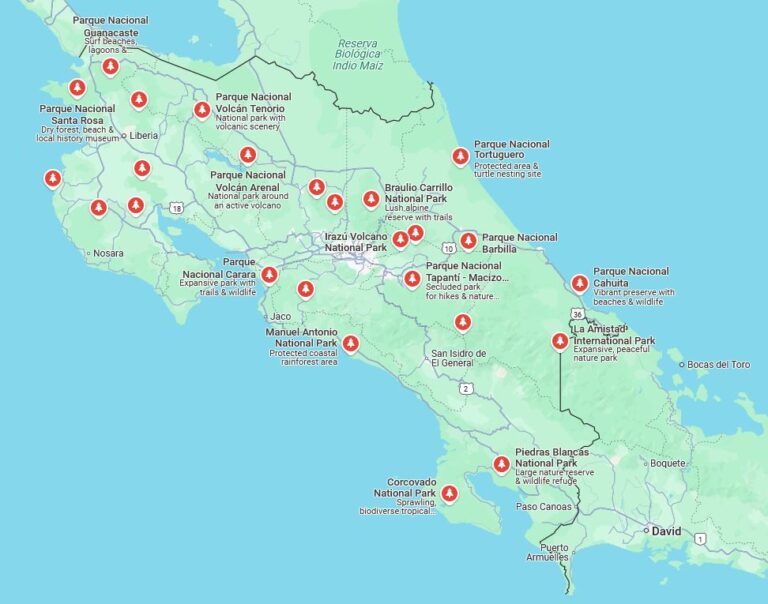
Regions with Strong Conservation Programs: Discover places like Costa Rica, renowned for its national parks and rich biodiversity. Check them out on Google Maps. Nearly a quarter of the country is protected land, allowing travelers to enjoy lush rainforests and pristine beaches while supporting conservation efforts.
Green Tourism Hubs: Consider destinations like Bhutan, which balances tourism with environmental preservation through its “high-value, low-impact” policy. Bhutan remains carbon negative and prioritizes sustainability in all aspects of its development.
Eco-Conscious Islands: Head to places like the Seychelles or the Azores, where sustainable tourism initiatives focus on marine conservation, renewable energy, and preserving fragile ecosystems.
Travelers to these destinations can immerse themselves in cultures that respect and protect the environment. Choosing such places not only rewards you with unique experiences but also supports local communities and global sustainability efforts.
Benefits of Sustainable Travel
Choosing sustainable travel doesn’t just benefit the planet—it also creates meaningful, positive impacts on communities and individuals alike.
- Environmental Preservation: By reducing carbon emissions, supporting eco-friendly accommodations, and protecting natural habitats, sustainable travel helps conserve the planet’s biodiversity for future generations. It’s a step towards ensuring that the natural wonders we explore today remain intact tomorrow.
- Boosting Local Economies: When travelers choose locally-owned businesses, they directly support the livelihoods of people in the destination. Sustainable tourism promotes fair wages, strengthens small communities, and encourages cultural preservation by valuing local traditions and practices.
- Enhancing Personal Well-Being: Sustainable travel often encourages slower, more immersive experiences. This approach allows travelers to connect more deeply with nature and culture, offering a greater sense of fulfillment, reduced stress, and even a boost to mental well-being.
- Promoting Social Responsibility: By traveling sustainably, individuals contribute to global efforts to combat climate change and foster community development. This sense of responsibility and awareness can be incredibly empowering and inspiring.
Sustainable travel offers a win-win solution—it enriches your journey while leaving a positive footprint. By adopting eco-conscious practices, we can help shape a future where travel and sustainability go hand in hand.
Traveler Stories
Here are a few fictional travel stories—little tales that bring the magic of sustainable adventures to life. Who knows, they might even inspire your next trip or double as a delightful bedtime story for your kids. Each one is packed with lessons on caring for our planet while exploring its wonders. Let’s dive in!
Emma’s Zero-Waste Adventure in Southeast Asia
Emma, a passionate advocate for the environment, embarked on a six-month journey across Southeast Asia with a commitment to zero-waste travel. Equipped with a reusable water bottle, bamboo cutlery, a collapsible coffee cup, and cloth bags, Emma avoided single-use plastics throughout her trip. In Vietnam, she discovered cafes that encouraged customers to bring their own cups, and in Thailand, she supported local markets by using her cloth bags for fresh produce. By the end of her trip, her waste fit into a single small jar—an inspiring reminder of how small changes can make a big difference.
The Peterson Family’s Eco-Friendly Escape to Costa Rica
The Peterson family decided to trade their usual beach resort vacation for an eco-conscious getaway to Costa Rica. Staying in an ecolodge powered entirely by solar energy, they participated in activities like tree planting and wildlife conservation programs. The family was awestruck by their guided night walk through the rainforest, where they learned about the delicate balance of the ecosystem. Their kids returned home with a newfound respect for nature and a passion for protecting it, proving that sustainable travel can be both educational and memorable.
Leah and Tom’s Nomadic Eco-Lifestyle in Europe
Leah and Tom, digital nomads and sustainability advocates, crafted their travels around eco-conscious principles. They chose destinations that prioritized renewable energy, such as Iceland and Portugal, and offset their flights’ carbon emissions. Instead of renting cars, they relied on biking and trains to explore. Staying in eco-certified accommodations and supporting local businesses became a way of life. Their story highlights how a nomadic lifestyle can align with sustainable values while offering unparalleled experiences.

Future Trends
The future of travel is being shaped by innovative solutions that prioritize sustainability, offering exciting possibilities for eco-conscious explorers. Here are some emerging trends to watch:
- Green Technology in Transportation: Advances in electric and hydrogen-powered vehicles are transforming how we travel. Electric buses, trains, and even planes are becoming more common, reducing carbon emissions significantly. Cities like Copenhagen are also investing in cycling infrastructure, making it easier for travelers to choose greener modes of transport during their visit.
- Eco-Friendly Accommodations: Hotels and lodges are adopting sustainable practices, such as using renewable energy, recycling water, and sourcing local, organic food. Some accommodations even go a step further by integrating into their natural surroundings with minimal environmental impact, like treehouse lodges or solar-powered desert camps.
- Carbon Offsetting and Renewable Energy: Airlines and travel companies are increasingly offering carbon offset programs, allowing travelers to compensate for their emissions. Meanwhile, renewable energy sources like solar and wind are powering more travel-related infrastructure.
- Smart Tourism: Technology is playing a key role in sustainable travel. Apps and platforms now help travelers plan eco-friendly trips, find green-certified businesses, and track their carbon footprint. Here are a few apps you can check out:
- Ecosia: A search engine that plants trees with its ad revenue. Use it to find eco-friendly travel options while contributing to reforestation efforts.
- HappyCow: A must-have for plant-based travelers. It helps you locate vegan and vegetarian restaurants worldwide, supporting sustainable dining choices.
- Bikemap: Ideal for exploring destinations on two wheels. It provides user-supplied cycling routes in cities and regions globally, promoting green transportation.
- Focus on Local and Slow Travel: Travelers are shifting towards exploring lesser-known destinations and spending more time in one place. This reduces the environmental impact of frequent travel while supporting local economies and fostering deeper cultural connections.
These trends highlight a growing commitment to making travel more sustainable, innovative, and enriching for both people and the planet. Let me know if you’d like to dive deeper into any of these topics! Until next time take care and hope to see you here again.
This post has been enhanced using AI for text improvement.
Comments
2 responses to “Sustainable travel in the 21st century”
Hello! This is my first comment here so I just wanted to give
a quick shout out and tell you I really enjoy reading through your blog posts.
Can you recommend aany other blogs/websites/forums that cover thee same subjects?
Many thanks!
Hello! Thank you so much for your comment. Unfortunately, I do not have any blogs to recommend at the moment. However, you might want to check these blogs: https://finlandtravel.fi/en/world-travel-blogs/